Types of Dopamine Sites: Which One Makes Sense for You
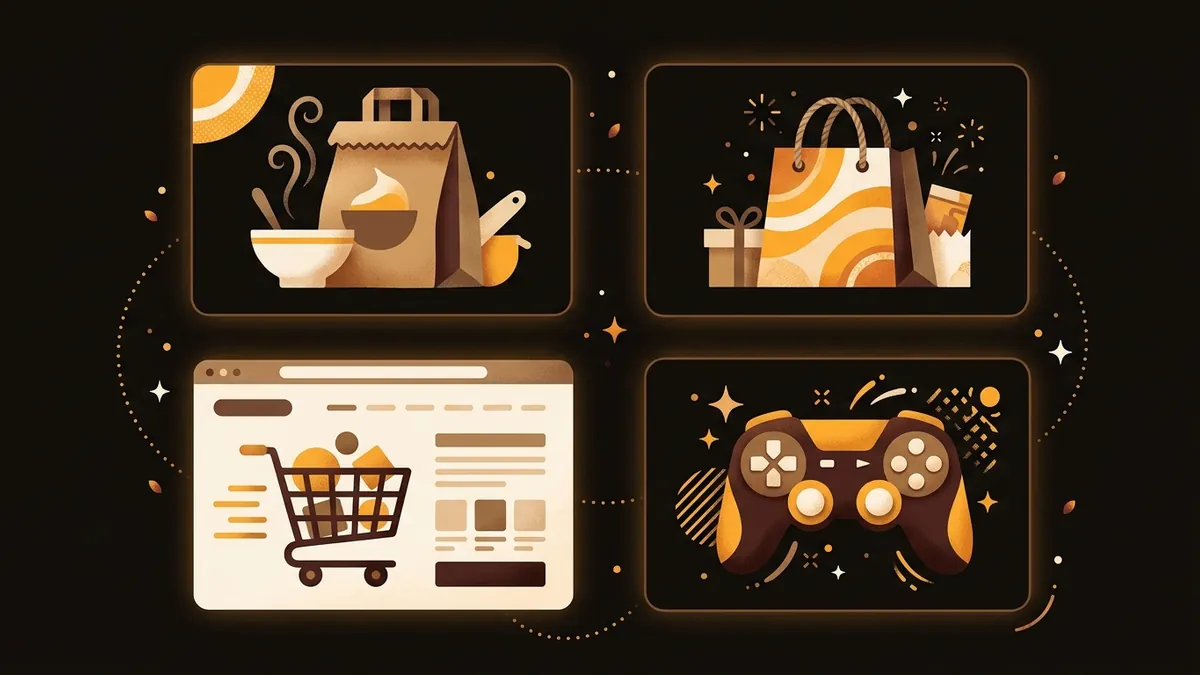
Dopamine site has become the name for several different things: fake food delivery apps, fake online stores, browser extensions and other simulators. They satisfy different urges and ask for different levels of trust. Here is what each type delivers and what to check before you pick one.
One category, several formats
Every dopamine site, or dopamine app, makes the same promise: the ritual of buying without the purchase. What changes is which ritual it simulates and where it acts. Some are places you go to on purpose; others step into the middle of your normal browsing.
The difference matters for two reasons. First, each format satisfies a different urge: someone who loves ordering food will not be satisfied by filling a cart with clothes. Second, each format asks for a different kind of trust, and some ask for much more than they seem to.
Fake food delivery
The delivery simulator reproduces the food order: choosing the restaurant, building the cart, placing the order and following the delivery. It is where the wave began, as the history of the dopamine site tells.
What it delivers is a long script with many small rewards: the photo of the dish, the confirmation, the preparation, the courier setting off, the arrival notification. The more realistic each step, the more fun it is. This is the SemFood format: fictional restaurants at real spots near you, a courier riding real streets on the map and a receipt that ends in "charged: $0.00", with nothing charged for the food and nothing delivered.
It makes sense for anyone who enjoys the ritual and wants to order food without paying. The guide on the food delivery simulator shows how an order like that is built under the hood.
Fake online store
The fake store imitates an online shop: a product showcase, a cart, a checkout and a purchase confirmation. This is pretend shopping in the most literal sense, and it suits people who enjoy picking clothes, gadgets or home goods.
The script is shorter than delivery, because there is no real-time delivery to follow. In exchange, the range of products is huge, and the fun is in building the dream cart without looking at the price. Someone who wants the ritual of buying, not of eating, tends to prefer this format.
One specific caution: be wary of a fake store that copies the look of a well-known real store. Besides being confusing, that disguise is the favorite ground of people who want you to type in a real card or a real code.
Browser extension that intercepts checkout
This type works differently: instead of a separate site, it is an extension installed in your browser that acts on real stores. When you reach the checkout, it intercepts the purchase and stages the finish, or makes you wait before paying.
The advantage is that the experience happens right where the urge appears. The cost is privacy: to act on stores, the extension usually needs permission to read and change the pages you visit, which can include banking and payment pages. Before installing, check who built it, which permissions it asks for and what the privacy policy says about the data it reads.
There is also a difference in effect. The extension does not swap the purchase for another ritual: it delays or stages the real purchase, in the same store, and the final decision stays one click away. For some people that pause is enough; for others it is just one more obstacle.
Simulators of other rituals
The same logic shows up in other consumer rituals and resembles simulation games that have existed far longer, like those about building a house or running a business. The line between a game and a dopamine site is thin: what defines the second is imitating a real purchase, with the same script, instead of creating a fantasy world.
In these cases the same question applies as always: does the experience deliver the feeling you are looking for, with no hidden cost?
How to choose safely
Safety. No type of dopamine site needs a payment QR code, a card form or banking details for the pretend purchase. If one shows up, leave. The guide are dopamine sites safe? details the warning signs.
Clarity. Does the service say right away that it is simulated and that nothing will be charged or delivered? If you have to look for that information, be suspicious.
What is charged. An optional subscription for extra features is a legitimate model, as long as the price is written on a page of its own. At SemFood, the plans show what each one unlocks, and no order is charged on any plan.
Privacy. The less data and permission the service asks for, the better. A delivery simulator needs the address to build the map; an extension may ask for access to everything you browse.
Finally, compare the urge with the real cost. The delivery spending calculator shows what your pace of orders would really cost per month, and the guide what is a dopamine app sums up the whole category.
What types of dopamine sites are there?
The main ones are fake food delivery, fake online stores, browser extensions that intercept checkout on real stores and simulators of other consumer rituals.
Are dopamine site extensions safe?
It depends on who made them and which permissions they ask for. Extensions that act on stores usually read the pages you visit, so check the developer and the privacy policy before installing.
Which type is SemFood?
Fake food delivery: a simulator where you build the order, follow the courier on the map and nothing is charged for the food or delivered.