Where Dopamine Sites Came From: The Food That Never Arrives
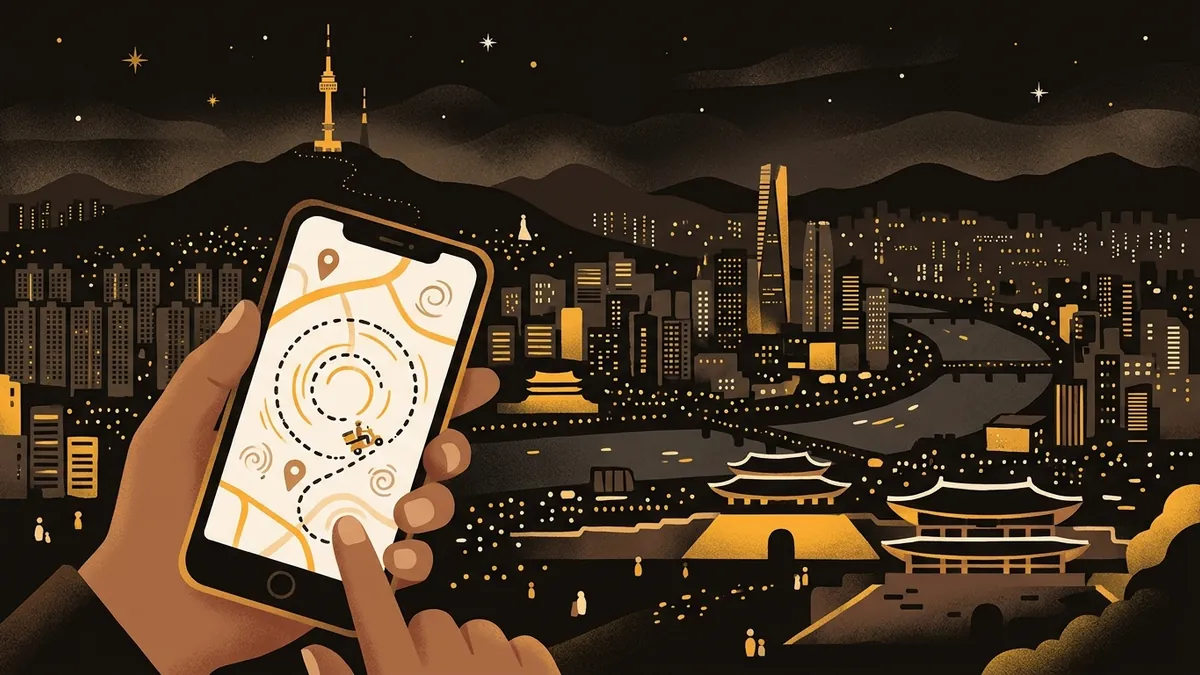
In 2026, a South Korean site with a proposal that sounds absurd at first, ordering food that never arrives, went viral among young people. Within months came fake stores, other simulators and a wave of news coverage around the world. This is the story of how the dopamine site became a category.
South Korea, 2026: the order that never arrives
The idea that started the wave fit in one sentence: you pick the food, place the order and it never arrives. A South Korean site with that proposal began circulating among young people in 2026, first as a shared joke, then as a habit.
The odd part is that nobody was being fooled. Anyone who visited knew from the first click that they would not eat anything or pay anything. They came back anyway. The fun was in the path: choosing, building, confirming and imagining the meal, with no bill at the end.
South Korea has a very strong delivery culture, in which ordering food at any hour is part of the routine. It makes sense that a parody of that ritual was born there, where almost everyone knows every step by heart.
It also helped that the proposal was easy to explain and easy to show. A screenshot of the order screen, with the promise that the food would not come, was enough to start a conversation. The rest of the path was the usual one for any internet trend: sharing, imitation and, finally, a name.
From meals to stores: the category spreads
The success of the food that never arrives opened the way for variations. Fake stores appeared, where a person fills a cart and finishes a purchase that never happens, along with simulators of other consumer rituals. The phrase "dopamine site", and its cousin "dopamine app", came to name all of them.
The behavior itself was old. Many people already filled online carts and closed the tab, or opened a delivery app just to look. What changed in 2026 was that someone turned that loose habit into a product with a beginning, middle and end, and the internet gave it a name.
With the trend came the opportunists too: sites that used the label to charge real money. The guide are dopamine sites safe? shows how to spot them, and the guide types of dopamine sites compares the formats that appeared.
The press discovers the trend
Between May and October 2026, the subject left social media and reached the newspapers. The Korea Times covered the phenomenon in its country of origin; Newsweek brought the story to an American audience; the Spanish outlet Xataka analyzed the trend for Spanish-speaking readers. In Brazil, Fast Company Brasil and Correio Braziliense explained the fad and interviewed experts.
The tone of the coverage ranged from curiosity to caution. Some saw a creative way of dealing with the desire to consume; others asked whether simulating purchases might train exactly the habit people want to avoid. The debate is still open, and the guide on whether dopamine sites work or are addictive gathers both sides.
The coverage had three effects. It gave the phenomenon a stable name, "dopamine site" or "dopamine app", which used to change with every post. It attracted newcomers curious to try one. And it raised the question of safety, because along with the fame came the first sites using the label to charge real money.
Why the idea caught on
Cost of living. For many young people, ordering delivery often became expensive, and the desire did not shrink in the same proportion. A pretend order offers part of the experience without touching the budget. The delivery spending calculator helps show why that math hurts: a few orders a week turn into hundreds of dollars a month.
The ritual of ordering. Ordering food has a familiar script, with small rewards at each step: the photo of the dish, the cart closing, the notification that the order is on its way. That script is pleasant in itself, even without the meal at the end.
Comfort. There is something soothing about repeating a familiar gesture at the end of a hard day. A dopamine site offers that gesture without the guilt of the bill.
An honest pitch. Unlike many digital products, this one does not hide what it is. "The food is not coming" is the sales line, and that creates an unusual kind of trust with the people who use it.
SemFood, a fake food delivery app
SemFood was born from this same idea, adapted for American delivery habits: fictional restaurants placed at real spots near you, menus with prices in dollars, a fictional courier riding real streets on the map and a receipt that ends in "charged: $0.00". The order is simulated from start to finish: nothing is charged for the food and nothing is delivered.
To understand the concept in full, read what is a dopamine app. To see the order step by step, see how it works.
The category has picked up several names at once: dopamine site, dopamine app, fake food delivery app, pretend shopping and more. They all describe the same wish to order food without paying, and they all call for the same caution when choosing where to do it.
Where did the dopamine site start?
The wave started in 2026 with a South Korean site where you ordered food that never arrived. Before that, the habit of filling carts without buying already existed, but there was no product made for it.
Why is it called a dopamine site?
Dopamine is used here as a popular metaphor for the good feeling of choosing and ordering. It is not a scientific term and not a promise of any effect on the brain.
Is SemFood the South Korean site?
No. SemFood is a separate food delivery simulator inspired by the same idea: you place the whole order and nothing is charged for the food or delivered.